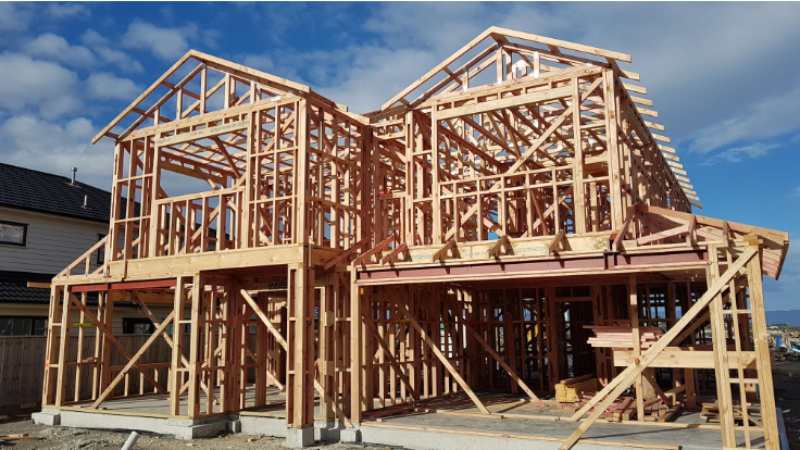
The Structural Logic Behind Timber Framing
Timber-frame construction has remained relevant for centuries because it combines structural efficiency with visible architectural craftsmanship. Unlike concealed framing systems hidden behind drywall and siding, exposed timber construction allows the structural skeleton of the building to become part of the visual identity of the home itself. Large posts, horizontal beams, and visible joinery create warmth and authenticity while revealing how the structure carries weight.
One of the defining characteristics of timber framing is the careful reinforcement of connection points. Where beams meet posts, significant structural force concentrates into relatively small areas. Without additional stabilization, those intersections can experience stress from roof loads, wind movement, and long-term settling. Builders traditionally solve this challenge with angled timber supports that strengthen the framing while maintaining the exposed beauty of natural wood construction.
Why Beam-to-Post Connections Require Reinforcement
Every structural system depends on stable load transfer. In timber framing, horizontal beams carry roof and ceiling loads before transferring that weight downward into vertical posts and foundation systems. The transition between those members creates concentrated stress at the connection point, particularly in structures with large roof spans or heavy overhangs.
If the structural force remains focused only on fasteners or joinery hardware, movement and strain can gradually weaken the system over time. Timber builders often reinforce these locations using angled braces that distribute weight more evenly while increasing rigidity throughout the frame. These supports not only improve performance but also contribute significantly to the visual character of exposed timber architecture.
How Angled Timber Supports Strengthen the Structure
What Timber Component Reinforces Beam-to-Post Connections?
Timber structures rely on stable connection points where horizontal beams transfer weight into vertical posts and supporting framing systems. Without additional reinforcement at those transition areas, roof loads and structural movement can place stress directly on fasteners, joinery, and adjoining framing members. Builders frequently strengthen those high-load intersections with angled support elements that improve rigidity while preserving the exposed appearance associated with traditional timber construction.
Many residential and timber-frame projects use knee timber braces to stabilize beam-to-post connections while adding visible structural detailing throughout the framing system. The angled timber brace transfers part of the structural load away from the primary connection point and distributes force more evenly between adjoining members. Timber fabricators also customize brace dimensions, connection angles, edge profiles, and wood species so the support integrates cleanly with surrounding beams, rafters, porch systems, and exposed framing details. That custom fabrication becomes especially important in rustic homes, craftsman architecture, covered porches, and timber-frame structures where the support system remains visible after construction.
The combination of structural reinforcement and exposed craftsmanship makes timber knee bracing common in roof overhangs, porch framing, vaulted timber ceilings, and large beam-supported entryways. Builders improve framing stability without relying entirely on concealed steel hardware that interrupts the visual continuity of natural wood construction. Custom timber manufacturing also allows exposed support systems to coordinate cleanly with matching brackets, columns, beams, and roof accents across the entire structure.
Why Exposed Bracing Improves Architectural Character
Exposed angled braces do more than strengthen the structure. They also introduce visual rhythm and depth throughout the framing system. Because the braces interrupt long horizontal and vertical lines, they create stronger geometric contrast that helps timber interiors and exterior porches feel more balanced.
Visible Structure Creates Authenticity
Modern homeowners increasingly prefer architectural elements that reveal craftsmanship instead of concealing it. Exposed timber braces contribute to that preference because they visibly demonstrate how the building is supported. Rather than relying entirely on hidden steel connectors or decorative trim, timber framing uses structural wood itself as part of the aesthetic language of the home.
This appreciation for authentic materials extends beyond framing systems into flooring, cabinetry, and other interior finishes. Homeowners frequently seek cohesive natural textures throughout the home to reinforce warmth and continuity. Discussions surrounding residential flooring trends homeowners should know reflect how natural wood surfaces continue to shape modern residential design preferences.
Customization Defines High-End Timber Construction
No two timber structures share identical spans, rooflines, or architectural proportions. As a result, custom fabrication plays an important role in exposed bracing systems. Timber fabricators often adjust brace angles, dimensions, edge profiles, and surface finishes so the supports integrate naturally with surrounding beams, posts, and roof framing.
This customization becomes especially important in visible architectural applications where the framing itself serves as a defining visual feature. Craftsman homes, rustic lodges, timber-frame great rooms, and covered outdoor living spaces all rely heavily on exposed structural consistency to achieve their intended appearance.
Reclaimed Wood Enhances Timber Character
Many timber projects incorporate reclaimed or naturally weathered wood because aged surfaces introduce additional texture and visual depth. Older timbers often contain grain movement, tool marks, and tonal variation that reinforce the handcrafted nature of the framing system. Designers frequently combine reclaimed wood braces with stone, metal accents, and warm interior finishes to create layered architectural environments.
The popularity of reclaimed timber extends well beyond structural framing into kitchens and living spaces where homeowners value natural texture and historic character. Creative applications of reclaimed wood kitchen design ideas demonstrate how exposed timber materials continue influencing contemporary residential interiors.
The Brand Influence of Exposed Timber Engineering
Exposed timber construction has become strongly associated with premium residential architecture because it combines visible engineering with natural craftsmanship. Angled beam supports contribute directly to that perception by revealing how the structure carries and distributes weight. The braces communicate permanence and durability while adding visual complexity to the framing system.
Architects and builders also appreciate the versatility of exposed bracing because it complements multiple design styles. Timber knee braces appear equally effective in rustic mountain homes, modern farmhouse architecture, covered porches, and large open-concept interiors. Their structural honesty and handcrafted appearance allow them to remain timeless even as broader design trends evolve.
Conclusion
Timber frames use angled beam supports because those braces strengthen critical structural connections while preserving the exposed craftsmanship that defines traditional timber construction. By distributing force more evenly across beam-to-post intersections, angled timber supports improve framing stability and reduce stress on fasteners and joinery systems.
Beyond their engineering function, exposed timber braces contribute warmth, texture, and architectural depth throughout the structure. Whether incorporated into porches, vaulted ceilings, roof overhangs, or large timber interiors, angled beam supports help transform structural framing into a defining design feature. As homeowners continue prioritizing authenticity and visible craftsmanship, exposed timber bracing remains one of the most important elements shaping modern timber-frame architecture.