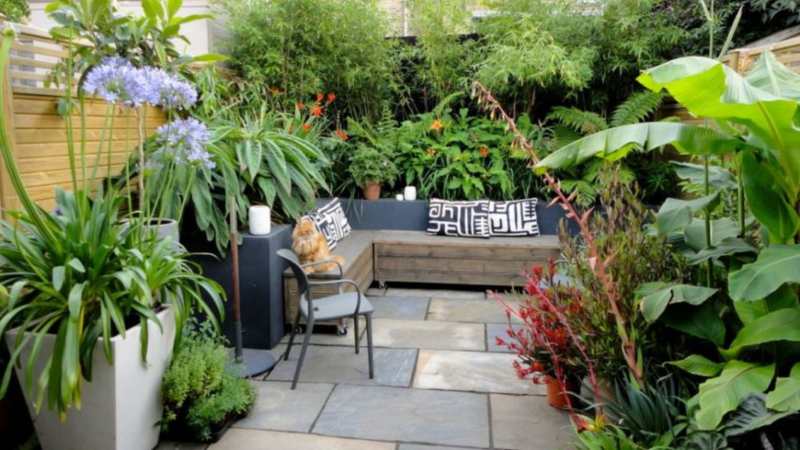
Transforming a small garden into a lush, functional oasis is entirely achievable with thoughtful design and strategic planning. Every inch counts, and by carefully considering your options, you can maximize the space for greenery, relaxation, and entertainment. Integrating smart approaches and hardscaping services can completely transform your outdoor area, making even compact spaces feel expansive and welcoming.
Focus on style and function in your garden instead of its limitations. Use clever design, natural elements, and appropriate furniture to create an inviting, charming retreat, even in small spaces. Incorporate lighting, mirrors, and water features to enhance ambiance and create a sense of visual expansion. Well-planned layout and multi-purpose features boost usability and beauty. With smart design, your garden can be a beautiful, functional retreat for relaxation and gatherings.
Vertical Gardening: Going Up to Save Space
Limited ground area need not restrict plant selection. By using vertical gardening techniques such as wall-mounted planters, trellises, and hanging baskets, you multiply your options without sacrificing open space. Climbing plants and tiered shelves draw attention upward, making the entire garden feel taller and more layered. This strategy is perfect for introducing bursts of color or fragrance along fences or exterior walls.
Multi-Functional Furniture: Double Duty Designs
When space is scarce, each furniture piece should serve multiple purposes. Benches with hidden compartments, fold-top tables, and modular furniture that can switch roles ensure flexibility. Items that double as planters or seating allow you to stay organized and clutter-free. Practical yet stylish, these solutions help maintain a clean visual line and leave more room to move and entertain guests comfortably.
Cohesive Color Palettes: Creating Visual Harmony
Unifying your garden with a well-chosen color palette can visually enlarge the space and promote serenity. Soft, complementary hues such as greens, whites, or light blues often work well, while a few splashes of bolder color keep things interesting. Avoid overcrowding with too many contrasting tones; instead, aim for continuity between plants, pots, and accessories for an effortlessly harmonious feel.
Strategic Lighting: Illuminating Small Spaces
Lighting can transform a small garden into a charming retreat long after the sun sets. Use ambient lighting for an overall glow, task lighting for specific activities, and accent lighting to highlight focal points like sculptures, water features, or distinctive plants. String lights, solar-powered lanterns, and discreet spotlights can all contribute to the mood and improve visibility, making your garden usable and inviting in the evening.
Mirrors and Reflective Surfaces: Expanding Perceptions
Mirrors and shiny materials cleverly reflect both light and greenery, visually doubling elements of your garden. Placing a weatherproof mirror on a boundary wall or fence instantly deepens the vista, giving the illusion of extended space. Reflective garden ornaments or polished stone surfaces also bounce sunlight, adding sparkle and making every square foot feel brighter and more open.
Layered Planting: Adding Depth and Interest
Arranging plants in layers, from low ground covers to mid-height shrubs and taller perennials, produces texture and complexity. This approach brings the charm of a larger garden into a compact footprint and encourages wildlife and biodiversity. Layered planting draws the eye in, letting each level play its part in a lush tapestry of color and form. Plan carefully to ensure all plants receive adequate sunlight according to their specific needs.
Incorporating Water Features: Enhancing Ambiance
Even a small fountain or bubbling pot adds soothing sound and an upscale feel to intimate gardens. Water elements do not need to be elaborate; simple designs can become focal points and help mask background noise, making the garden feel like a private escape. The glimmer of moving water, when paired with proper lighting, can create magical effects at night.
Maintaining Proportion: Choosing the Right Plants and Decor
In small gardens, choose plants and ornaments that fit the space. Avoid oversized features that can crowd the area, or too many tiny objects that make the area feel busy. Balance by mixing sizes, using larger pieces as focal points, and grouping smaller items to prevent clutter. Edit thoughtfully and add only elements that serve a purpose. With creativity and proper techniques like vertical gardening, smart layouts, and lighting, even a small garden can become a beautiful, inviting retreat. Combining these methods makes the most of limited space, showing that great things come in small packages.
Conclusion
Creating a beautiful small garden is all about using space thoughtfully and combining practical design techniques with personal style. Through vertical gardening, multi-functional furniture, layered planting, strategic lighting, and balanced decor, even compact outdoor areas can feel open, relaxing, and visually dynamic. Careful planning and cohesive design choices help maximize functionality while maintaining comfort and charm. With creativity and attention to proportion, small gardens can become inviting retreats that offer beauty, tranquility, and enjoyment year-round.