Keeping your home’s plumbing in good condition is a top priority for any homeowner in Dayton, Ohio. Not only does the region’s climate test local systems, but the combination of aging pipes and common drainage concerns can result in everything from inconvenient clogs to expensive repairs. Learning how to manage drain issues and prevent future problems can save you time, stress, and money in the long run. For those seeking professional care, regular drain cleaning is a vital part of annual home maintenance. Understanding what causes household drain problems and the Dayton-specific risks gives you an advantage. Proactively safeguarding your plumbing helps avoid emergencies like water backups and floods, keeping your property safe and your routines undisrupted. These practical strategies are tailored to the unique factors affecting Dayton homes and can be used by anyone to extend their plumbing system’s lifespan.
The region’s typical hard water supply, unpredictable weather, and aging infrastructure mean homeowners must develop good habits and maintain their homes regularly to avoid problems. Once a small clog forms, it can quickly escalate to affect multiple areas of your house, from the kitchen sink to the lowest basement drain. When drain issues become persistent or you notice symptoms indicating a deeper issue, the expertise of a qualified professional ensures your system receives the attention it needs. Addressing the root cause rather than treating only the symptoms preserves the integrity of your pipes and your peace of mind.
Understanding Dayton’s Unique Plumbing Challenges
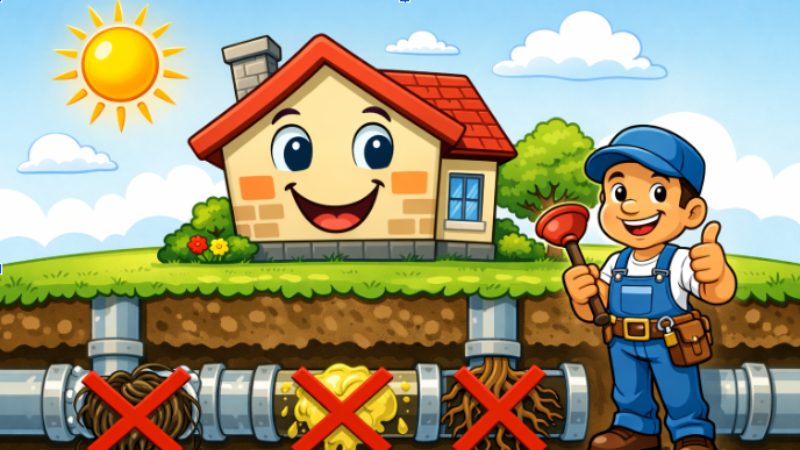
Much of Dayton’s housing stock features older pipes and infrastructure that are more susceptible to damage or clogging. The city’s hard water contains high mineral levels, making scale and sediment buildup a frequent concern in many homes. Over time, this mineral deposition restricts water flow, increasing the likelihood of slow drains and obstructions. Furthermore, Dayton’s clay-heavy soil and elevated water table pose risks for basement flooding and strain on sewer lines, particularly after heavy rains or rapid thaws. Combined with cycles of freezing and thawing, pipes may shift or crack, allowing tree roots to infiltrate underground lines or letting debris enter the system. These localized challenges emphasize why regular upkeep and timely repairs are crucial for Dayton homeowners. For more details on how climate and infrastructure affect plumbing, visit resources from organizations like the EPA’s Drinking Water in Your Home.
Preventive Measures to Keep Drains Clear
Be Mindful of What Goes Down the Drain
One of the quickest ways to ensure your drains stay clear is to control what you allow to enter them. Avoid pouring cooking oils, grease, and coffee grounds down the kitchen sink, as they congeal and form blockages. In bathrooms, use hair catchers or strainers to trap hair before it goes down the drain. Even items labeled as “flushable” may not disintegrate properly, so dispose of wipes, cotton swabs, and dental floss in the trash instead. Household chemicals, such as paints and solvents, should also never be rinsed down the drain, as they can damage pipes and the wider water system.
Routine Maintenance and Cleaning Techniques
Stay proactive by adding simple maintenance habits to your household schedule:
- Use fine-mesh sink strainers to trap debris in kitchen and bathroom sinks.
- Flush drains every month with hot water to remove soap and grease buildup.
- Clean pipes naturally using combinations of baking soda followed by vinegar for odor and buildup control.
- Arrange for professional drain cleaning or inspections at least once a year, especially if your home has a history of plumbing issues.
Timely maintenance prevents the gradual accumulation of materials that lead to slow drains, gurgling sounds, or full-fledged clogs.
Addressing Common Drain Issues
Slow Drains
When water drains more slowly than usual, immediate action can prevent escalation. First, examine the drain and remove any visible debris. Using a plunger can often break up minor blockages near the opening. Next, pour a mix of hot water, baking soda, and vinegar down the drain. If the water flow does not improve, it could indicate a deeper clog that requires specialized equipment or a plumber’s expertise. Extra care is recommended when using chemical drain cleaners, as overuse can corrode pipes and harm the environment.
Recurring Clogs
If you find yourself clearing the same drain repeatedly, a more serious issue may exist in your plumbing system. Continuous clogs are sometimes caused by invasive tree roots or deteriorating sewer pipes, which can only be properly diagnosed and repaired by a licensed plumber. This is another instance where routine professional inspection pays off, catching complex issues before they lead to expensive repairs or health concerns. More information on identifying leak and clog causes can be found in guides from the This Old House plumbing section.
When to Seek Professional Help
While many household drain issues can be solved with careful maintenance and basic tools, there are clear signs that require immediate professional intervention. Multiple slow or clogged drains in your home indicate a blockage in the main sewer line. Water backups in tubs, showers, or toilets are red flags for a widespread problem. You may also notice unpleasant smells or gurgling sounds when running the sink or toilet. These symptoms often indicate an obstruction or a break further down your plumbing system.
Reaching out to a qualified plumber ensures that any underlying issues, such as damaged pipes, root intrusion, or significant blockages, are addressed promptly and safely.
Frequently Asked Questions
How can I prevent tree roots from damaging my sewer lines?
- Keep new trees or shrubs away from underground plumbing lines.
- Get periodic professional inspections to identify early evidence of root intrusion.
- Install root barriers if mature trees or invasive species are near your property.
Are chemical drain cleaners safe to use in Dayton homes?
Chemical drain cleaners may provide quick relief, but can harm pipe interiors and contaminate water supplies. Opt for natural alternatives or call a plumber for stubborn or recurring clogs to keep your drains and the local environment healthier.
What should I do if my basement floods from a drain backup?
- Turn off the electricity in the affected area for safety.
- Remove water using a pump or wet-dry vacuum.
- Thoroughly clean and disinfect the flooded space to prevent mold and bacteria.
- Contact a professional plumbing service to determine the cause and help avoid future incidents.
Maintaining healthy drains in Dayton requires a combination of mindful daily habits, routine checks, and prompt attention when problems arise. By following these steps and seeking help when necessary, homeowners can enjoy reliable plumbing and avoid costly surprises.
Conclusion
Maintaining a healthy plumbing system in Dayton, Ohio requires consistent attention, smart daily habits, and timely professional support. Given the area’s hard water, aging infrastructure, and fluctuating weather conditions, small drainage issues can quickly escalate if left unaddressed. By being mindful of what enters your drains, following regular maintenance routines, and addressing early warning signs promptly, homeowners can significantly reduce the risk of costly plumbing emergencies. When problems persist or affect multiple fixtures, professional intervention ensures deeper issues are properly diagnosed and resolved. With proactive care and informed decision-making, you can extend the life of your plumbing system, prevent unexpected disruptions, and maintain a safe, efficient home environment year-round.