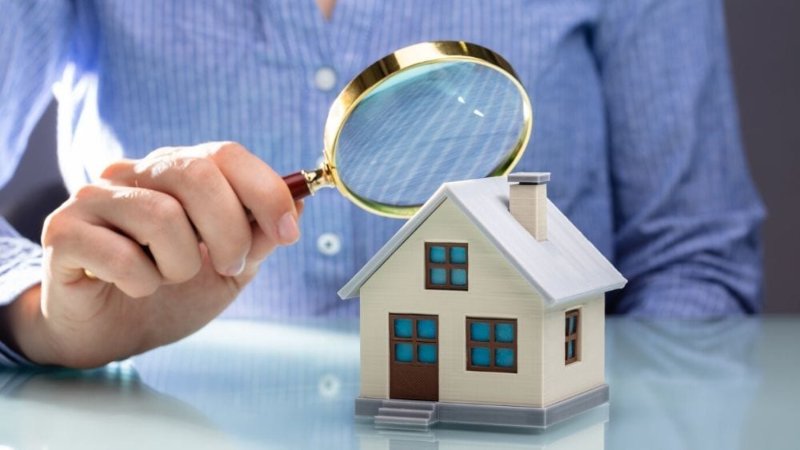
Embarking on a home inspection marks a crucial phase in any real estate transaction, whether you are a buyer or a seller. This essential step verifies the property’s condition, uncovers hidden issues, and influences negotiations. However, overlooking critical elements can lead to unnecessary expenses or threaten the deal’s success. A clear understanding of the potential pitfalls of home inspections will put you on the right path toward a smooth, successful property transfer. An informed approach allows you to make confident decisions, address concerns promptly, and ultimately protect your largest investment. Recognizing and circumventing common mistakes not only preserves peace of mind but also increases your chances of a seamless closing.
Skipping the Inspection
Skipping a home inspection, even when purchasing new construction, can be risky. Many assume that brand-new properties are flawless, but in reality, construction mistakes and oversights occur. Even reputable builders can miss problems with electrical systems, plumbing, or structural elements. According to the American Society of Home Inspectors, nearly 90% of homebuyers believe that home inspections are a necessity. A professional inspection will reveal hidden defects and allow buyers to address them with the seller before finalizing the deal. Even in competitive markets where waiving the inspection can make an offer more attractive, skipping this step carries substantial risks. A waived inspection may allow unseen issues, such as faulty wiring, substandard insulation, or unnoticed roof damage, to go undetected. Buyers who forgo inspections find themselves at a disadvantage, lacking vital information that could otherwise give them negotiating leverage or help them walk away from a deal that might become a financial burden. In every situation, a thorough inspection is an opportunity to ensure transparency and long-term satisfaction with your purchase.
Choosing the Cheapest Inspector
It may be tempting to choose the lowest-priced home inspection, but it can be a costly mistake. Inspectors who charge significantly less may lack proper training, certifications, or the motivation to perform comprehensive evaluations. Choosing an inspector based on price alone could result in critical issues being missed. Always check credentials, reviews, and references. Look for inspectors who are members of recognized organizations, such as the American Society of Home Inspectors (ASHI), to ensure you are working with qualified professionals. Additionally, not all inspectors offer the same range of services. Some may skip important testing equipment or fail to invest in continuing education. It’s a good idea to ask prospective inspectors about their experience with homes similar to the property you’re considering, as well as any ongoing training they have received. Quality inspections may cost more initially, but savings can be realized if a meticulous inspector uncovers major problems before you finalize your investment.
Not Attending the Inspection
Being present during a home inspection offers invaluable insights. The inspector can point out issues in real time, helping you understand the severity and potential remedies for each item noted. Buyers who attend inspections can ask questions, obtain maintenance tips, and gain a comprehensive overview of the home’s systems and upkeep needs. Direct interaction with the inspector allows for immediate clarification and more informed decision-making down the line. For sellers, attending the inspection demonstrates transparency and fosters trust with the buyer. It also offers a chance to address misunderstandings before they escalate, which can protect against renegotiations late in the process. Overall, physical presence at the inspection underlines your commitment to an open and honest transaction.
Overlooking Minor Issues
Small defects, such as leaky faucets or cracked tiles, should not be dismissed. Although they may appear insignificant, such issues can be indicators of larger, underlying problems, such as water damage or foundation concerns. Addressing them early prevents more extensive and expensive repairs in the future. Detailed attention to the inspection report ensures that both buyers and sellers do not underestimate or ignore minor repairs that could escalate. Sometimes, what looks like a trivial wear-and-tear issue is a signal of deeper trouble. Take worn caulking around bathroom fixtures, for example, as it might simply need resealing, but it could also point to ongoing moisture issues. Being thorough and proactive not only keeps repair costs down but also helps maintain the property’s overall value.
Failing to Prepare the Home
Sellers play a critical role in the inspection process by ensuring the property is accessible. All spaces, including attics, basements, electrical panels, and crawl spaces, should be open for inspection. Remove any obstacles and unlock doors or gates before the inspector arrives. When a home is not adequately prepared, inspections take longer, and issues may remain undiscovered. Proper preparation projects a positive image to buyers and can expedite the closing process, according to Consumer Reports. Proactively preparing your home can demonstrate pride of ownership and reassure buyers that you have cared for the property. Cleanliness and organization matter; tidy spaces help inspectors do their job efficiently, making it easier to identify any potential concerns. Creating a welcoming, ready environment sets the tone for constructive discussions and a smoother negotiation phase.
Ignoring Additional Inspections
General home inspections typically do not cover specialty items such as swimming pools, septic systems, or mold and radon testing. Depending on the property’s location and features, consider additional inspections for termites, environmental hazards, or unique amenities. These specialized evaluations provide a more comprehensive understanding of the property’s condition and can prevent unwelcome surprises after moving in. If the home is older or in a region known for unique risks, such as high flood activity or radon-prone areas, a targeted investigation is warranted. Specialty inspectors bring expertise that generalists may not possess, ensuring that every aspect of the property is scrutinized properly. Investing in these add-ons can prevent expensive repairs and even health hazards down the line.
Expecting a Perfect Report
No property is flawless. Every inspection will uncover some deficiencies, many of which are common and easily addressed. Understanding this fact helps set realistic expectations and prevents unnecessary alarm when reviewing the final report. A skilled inspector’s role is to identify actionable issues, providing information rather than passing judgment on the property’s worth. Having a balanced perspective prepares both buyers and sellers for reasonable negotiations. It’s important to approach the process as one of gathering information rather than seeking perfection. Inspections are meant to help you plan for future maintenance and improvements and to give you the knowledge needed for informed negotiation, rather than an excuse to walk away from what could be a great property. Open communication and realistic expectations go a long way in reducing stress and conflict throughout the transaction.
Not Following Up on Repairs
Once repairs are negotiated and completed, requesting a follow-up inspection is a sound strategy. This step verifies that all agreed-upon work was performed correctly and provides documentation for future reference. A secondary inspection can prevent disputes at closing and instill confidence in the transaction. For buyers, it means avoiding unexpected maintenance just after moving in; for sellers, it assures compliance before handing over the keys. Additionally, following up on repairs can reveal issues with artistry or incomplete tasks that might otherwise have gone unnoticed. Documenting repairs with receipts, photos, or professional reports provides peace of mind for both parties and streamlines the closing process. This diligence ensures everyone upholds their end of the agreement and sets the tone for a successful transition to new ownership. By avoiding these common mistakes, you create a solid foundation for a transparent, successful real estate transaction. Each step helps safeguard your investment, ensures a thorough evaluation, and sets the stage for a satisfying homeownership experience.
Conclusion
Avoiding common home inspection mistakes is essential to a smooth, successful real estate transaction. From skipping inspections and choosing unqualified inspectors to overlooking minor issues or failing to prepare the home, each misstep can lead to costly consequences and unnecessary stress. A thorough approach, including attending the inspection, considering additional evaluations, and following up on repairs, ensures that both buyers and sellers fully understand the property’s condition. While no home is perfect, being proactive and informed helps protect your investment, supports fair negotiations, and leads to greater confidence and peace of mind during the closing process.