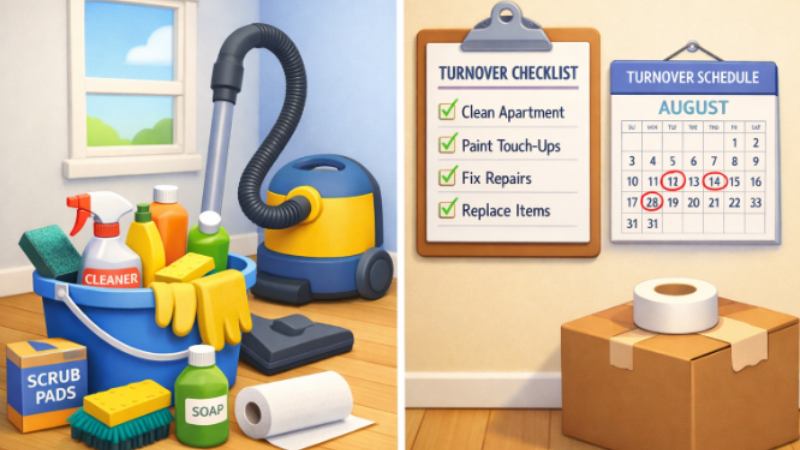
For property managers, reducing apartment turnover time is a critical factor in keeping vacancy periods short and rental income steady. Proactively addressing each step in the turnover process can not only maximize profits but also enhance tenant satisfaction. Strategic planning, skilled coordination, and shifting to tech-based solutions are all vital components of efficient turnovers. To explore professional solutions that expedite this process, click here.
Understanding and implementing the right turnover practices ensures cleaner transitions between tenants. When property managers refine their workflows, they keep units occupied with minimal downtime. This not only supports profitability but also upholds the property’s reputation among current and future tenants.
Most importantly, a well-managed turnover process leads to higher tenant retention and a more positive rental experience. When repairs, cleaning, and leasing overlap seamlessly, new tenants are more likely to renew their leases and recommend the property to others. Timely communication and strong vendor relationships are important assets in this process.
Beyond financial incentives, streamlined turnovers help avoid the headaches associated with last-minute repairs and rushed marketing. By embracing proven strategies and current technology, property managers simplify the entire cycle from move-out notice to new lease signing. Proper planning and attention to detail are at the heart of successful turnovers.
Understanding Apartment Turnover
Apartment turnover involves everything needed to transition a rental unit from one tenant to the next. This multi-step process includes move-out inspections, cleaning, maintenance, and marketing. A streamlined approach shrinks vacancy periods by ensuring units are rent-ready swiftly. High turnover efficiency helps maintain revenue and preserves the property’s market reputation. According to BiggerPockets, the average turnover can cost up to a month’s rent, making fast and efficient turnovers essential for profitability.
Pre-Move-Out Preparations
As soon as tenants provide notice, preparations should begin right away to accelerate the turnover process. Start by confirming move-out dates and opening direct lines of communication with the outgoing tenant. This enables property managers to pre-schedule inspections and maintenance tasks. By identifying required repairs or replacements early, managers minimize the risk of last-minute surprises that could delay the next move-in.
- Confirm Move-Out: Double-check the tenant’s intended departure date and discuss any outstanding responsibilities.
- Pre-Inspection Scheduling: Book an in-unit inspection before the official move-out to pre-empt any repair or cleaning needs.
- Plan Repairs: Use inspection insights to book contractors or in-house maintenance in advance.
Conducting Thorough Inspections
Systematic inspections are crucial to uncover maintenance issues before they become larger problems. Using a detailed checklist ensures all structural, mechanical, and safety items are covered. Key areas include:
- Walls, ceilings, and floors for any visible damage or wear
- Plumbing and electrical systems to ensure they are in good working order
- All appliances for functionality and cleanliness
- Smoke and carbon monoxide detectors for safety compliance
Addressing problems as soon as they are discovered simplifies later stages of the turnover process, reducing costly delays.
Coordinating Maintenance and Repairs
Swift and organized repairs are at the heart of quick turnovers. Successful property managers build reliable networks of contractors for HVAC, plumbing, painting, and general repairs. Assign tasks in a logical sequence – for example, schedule repairs and replacements before painting to avoid touching up work later. Set firm deadlines for each stage and hold vendors accountable to keep the timeline on track.
- Vendor Management: Maintain a ready-to-call list of trusted professionals for fast repair response.
- Work Scheduling: Overlap non-conflicting tasks, such as ordering replacement appliances while repairs are completed elsewhere in the unit.
- Task Deadlines: Establish clear expectations and follow up to ensure timely completion.
Professional Cleaning Services
Nothing turns off prospective tenants faster than a dirty unit. Professional cleaners bring specialized equipment and products to deep clean carpets, kitchens, bathrooms, and windows. Attention to detail is key, as residue from prior tenants can lead to complaints or negative online reviews. Areas to prioritize include:
- Carpet steaming and stain removal, or outright replacement if necessary
- Thorough kitchen and bathroom cleanings, including appliances and grout
- Window cleaning to maximize natural light
- Odor elimination for a fresh start
Professional cleaning not only makes the unit more marketable but also justifies asking for market-rate rent.
Effective Marketing Strategies
Marketing should begin before the current tenant vacates to maintain a high occupancy rate. High-quality photos and detailed descriptions can set listings apart from competitors. Utilize rental listing sites, social media, and local classifieds to cast the widest possible net. Strategies include:
- Photography: Take well-lit photos that highlight the unit’s size and features.
- Descriptions: Write engaging copy that draws attention to the property’s amenities, upgrades, and unique qualities.
- Platform Variety: List the property on multiple digital channels to maximize exposure.
Leveraging Technology
Digital tools simplify and automate critical turnover tasks, making the entire process more efficient. Property management platforms help with communication, scheduling, and document management. Automated reminders keep staff accountable and moving on schedule, while online leasing platforms accelerate application vetting and document signing. These advantages allow for faster, smoother transitions between tenants and fewer chances for human error, further lessening vacancy durations.
Final Thoughts
A fast and seamless apartment turnover process not only protects landlords’ bottom lines but also keeps residents satisfied and referring friends. Efficient turnovers depend on clear planning, effective vendor communication, and the smart use of current technology. By adopting these strategies, property managers can continually reduce vacancy periods and enhance the appeal of their rental properties.