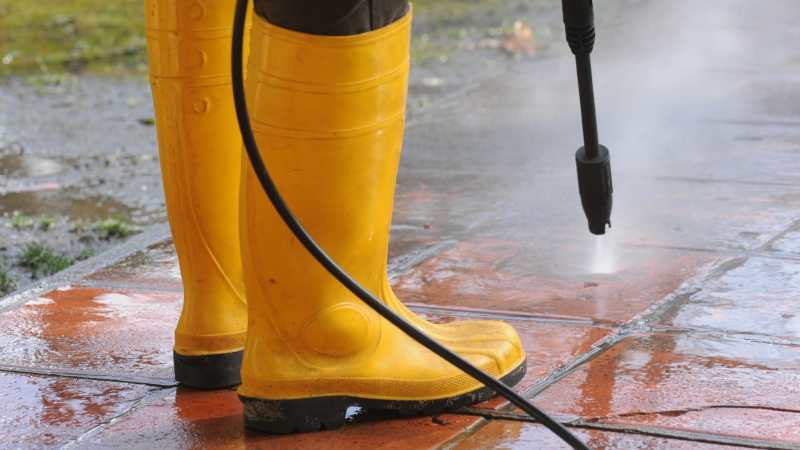
A driveway is often one of the most heavily used surfaces around a home, yet it is easy to overlook when planning routine maintenance. Exposure to vehicle traffic, changing weather, and organic growth can gradually affect both its appearance and durability. Without regular care, accumulated dirt and residue may lead to discoloration, surface wear, or even structural issues over time. Establishing a consistent cleaning schedule helps preserve the driveway’s condition while supporting long-term maintenance goals.
One of the most important maintenance tasks is keeping your driveway clean – and modern homeowners are increasingly turning to driveway pressure washing for a deep, lasting clean. Pressure washing lifts away layers of grime, oil, and plant debris before they become unsightly stains or cause surface deterioration. Understanding how often this process should be performed allows homeowners to strike a balance between cleanliness, surface protection, and routine upkeep without unnecessary wear.
Factors Influencing Pressure Washing Frequency
The recommended frequency for driveway pressure washing varies depending on the home. The local environment, weather, and function of your driveway all combine to dictate your cleaning needs.
- Climate: If you live in a humid region, your driveway is at higher risk for algae and mold buildup. Drier climates may accumulate dust more than organic growth, but wind-blown debris can still stain surfaces.
- Usage: Driveways with frequent vehicle use, guests, or work projects will see more oil leaks, tire marks, and general wear, demanding more frequent cleanings.
- Surroundings: Properties bordered by large trees are prone to leaf litter, sap stains, and increased organic debris. Likewise, driveways near gardens or busy streets can accumulate extra dirt and plant matter.
Regularly checking for dark patches, slippery spots, or persistent stains can help determine when your driveway could benefit from pressure washing. Driveways exposed to shade and moisture should be inspected more frequently to prevent mold-related safety hazards.
Recommended Pressure Washing Schedules
Your environment and habits will determine how often to schedule a thorough clean:
- Low-traffic areas: If your driveway receives occasional use and minimal shade, a deep cleaning once a year is likely sufficient.
- High-Traffic or Humid Regions:Driveways frequented by multiple cars or those in consistently wet climates may require pressure washing every six months.
- Driveways Under Trees: Where overhanging foliage and shade are common, plan on a cleaning every three to six months to address increased organic debris and possible sap stains.
More extreme environments, such as coastal areas exposed to salty air or urban neighborhoods with heavy dust and pollution, may also warrant additional cleanings to maintain safe and visually appealing surfaces.
Benefits of Regular Driveway Maintenance
Routine pressure washing is about much more than just cosmetic improvements. The advantages of keeping your driveway clean include:
- Preventing Permanent Stains:Substances like oil, rust, or decomposing leaves can leave marks that become impossible to remove if left too long.
- Reducing Slip Hazards: Algae and mold can make concrete dangerously slick, particularly in rainy or dewy weather. Prompt removal helps keep family and visitors safe.
- Enhanced Property Value: A well-maintained driveway immediately signals care and pride in your home, supporting higher appraisals and smoother sales if you decide to move.
Regular cleaning is a simple way to protect concrete surfaces from erosion and expensive repair work caused by trapped moisture or root systems.
Best Time of Year to Pressure Wash
Timing your cleaning to coincide with the seasons can ensure the most thorough and effective results. In most climates, spring and fall are ideal for deep cleaning:
- Spring: Tackles grime left over from snow, deicing salt, or fallen winter debris. Prepares your driveway for the higher activity and visibility of summer months.
- Fall: Clears away organic buildup from summer plants and debris, readying your driveway for colder weather and helping prevent slip hazards during rain or snow.
Spring and early fall combine milder temperatures with optimal moisture levels, making it easier to remove stubborn grime without harming the surface.
DIY vs. Professional Pressure Washing
DIY Pressure Washing
Many homeowners opt to rent or buy a residential pressure washer. This approach can save money for lighter jobs or smaller driveways, especially if you’re comfortable handling powerful equipment. DIY pressure washing requires careful technique to avoid chipping concrete, damaging pavers, or causing water runoff issues.
Professional Pressure Washing
Professional pressure washing services offer specialized expertise and utilize commercial-grade machines to deliver a deeper, faster clean. Experts are familiar with the ideal settings and cleaning solutions for specific driveway materials, thereby minimizing risk and enhancing results. These services also handle disposal properly, which is especially important for spills of oil or paint.
Hiring a reputable professional can help protect your investment and ensure compliance with local environmental standards.
Conclusion
Regular pressure washing is a crucial aspect of driveway maintenance, ensuring the long-lasting appeal and structural integrity of your driveway. Whether you DIY or leave the job to professionals, tailoring your cleaning schedule to your unique climate, usage, and landscape delivers the very best results. Assess your property’s needs, address stains or debris promptly, and enjoy the satisfaction of a sparkling clean driveway through every season.