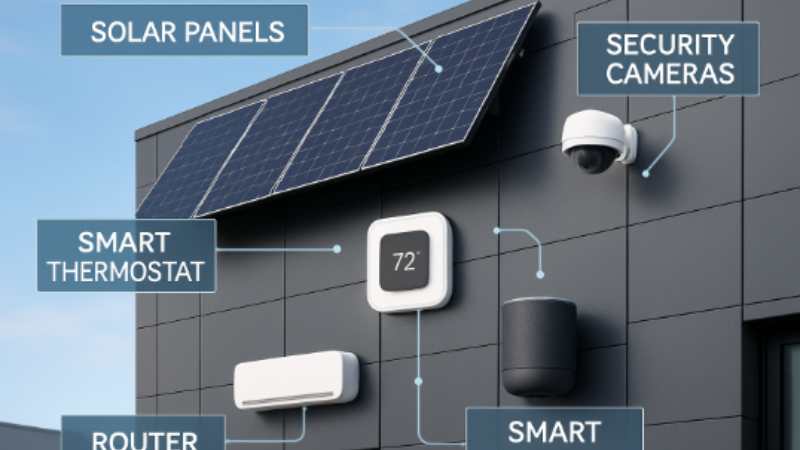
The evolution of smart building technology is rapidly reshaping how we experience everyday spaces, revolutionizing both residential and commercial environments. Leveraging intelligent automation, interconnected devices, and real-time data analysis, smart buildings foster environments that enhance comfort, efficiency, and sustainability. For homeowners, businesses, and anyone planning to work with a general contractor for a new project or renovation, understanding these advancements is essential for optimizing property value and usability.
By seamlessly integrating renewable energy systems, advanced security protocols, and occupant-centric designs, these buildings offer more than convenience—they deliver a blueprint for a smarter, healthier, and more responsive lifestyle. As technology continues to push boundaries, the smart building movement stands at the forefront of modern living, championing adaptable solutions for evolving human needs.
Energy Efficiency and Sustainability
Smart buildings are designed to drastically reduce energy consumption and environmental impact through intelligent management systems. By connecting sensors, automation, and AI-powered controls, these buildings continually monitor energy use and optimize it throughout the day. For example, occupancy sensors adjust lighting and HVAC operations based on real-time presence, minimizing waste and lowering utility costs.
The integration of solar panels and other renewable energy sources further reduces reliance on external power and emissions. Data analytics empower property managers to identify inefficiencies and respond with targeted solutions, while predictive algorithms manage loads and anticipate peak hours, leading to significant savings. According to Forbes, smart building energy systems can cut average energy use by up to 30%, enhancing profit margins and sustainability.
Enhanced Security Measures
Security stands at the core of smart building technology, where cutting-edge systems offer layers of protection beyond traditional locks and alarms. Networked cameras, smart locks, and biometric authentication points work together to create secure perimeters and prevent unauthorized access. Artificial intelligence enhances these measures by learning usual occupant habits, enabling the system to recognize anomalies and respond in real time.
Automated alerts, remote access controls, and integration with law enforcement systems help address security threats quickly and efficiently. These solutions provide peace of mind for residents and maximize property protection, a crucial advantage in today’s dynamic security landscape. Implementing IoT-enabled sensors means vulnerabilities are continually assessed, enabling rapid responses to minimize risks and damage.
Improved Indoor Air Quality
Modern lifestyles have made indoor air quality a top concern, especially considering links to productivity and overall well-being. Smart buildings use robust air-quality sensors to monitor pollutants such as carbon dioxide, volatile organic compounds (VOCs), and particulate matter. When these levels spike, automated ventilation systems engage increased filtration or bring in outside air to maintain a healthy indoor climate.
Beyond managing pollutants, smart HVAC systems can personalize airflow, temperature, and humidity based on occupant preferences and health needs. This not only benefits those with allergies or respiratory conditions but also enhances general comfort for all residents and employees.
Adaptive Climate Control
Climate control has moved far beyond basic thermostats with the integration of artificial intelligence and machine learning. Today’s smart buildings deploy adaptive climate systems that learn from user behavior, occupancy patterns, preferences, and even external weather forecasts. These systems fine-tune temperature, humidity, and airflow throughout the day, responding proactively to changes and optimizing energy use without user intervention.
Predictive climate control can pre-heat or pre-cool facilities during expected weather events, ensuring consistent comfort and improved efficiency. Over time, these systems offer recommendations or automate changes, striking a harmonious balance between occupant comfort and energy conservation. Such technology represents an impressive leap forward in both personalization and sustainability.
Seamless Connectivity
At the core of every smart building is a web of technologies enabling seamless data and device communication. High-speed Wi-Fi, Bluetooth, Zigbee, and emerging IoT protocols support massive numbers of connected devices, from smart lighting and kitchen appliances to building-wide management systems. This connectivity enables centralized control, remote management, and device integration, putting comprehensive building control at an occupant’s fingertips.
Through apps or voice assistants, users can easily automate daily routines, manage energy usage, and monitor security—whether they’re on-site or away. This interconnected framework is crucial for smart building functionality, enabling effortless, efficient living and working environments. As the Internet of Things expands, this foundational capability will only deepen.
Occupant-Centered Design
Modern smart buildings are shifting toward designs that prioritize the needs and experiences of their occupants. Adaptive lighting that changes color temperature and intensity with the time of day can promote circadian health and boost productivity. Controllable environments allow for personalized climate zones in shared offices, improving work satisfaction and overall efficiency. Even office desk configurations and meeting spaces are now re-imagined to support flexible work patterns and individual comfort.
In residential spaces, features like automated window coverings, individualized audio and entertainment zones, and intelligent wellness monitors are increasingly common. This occupant-centric approach turns buildings into truly responsive spaces, catering to unique preferences and enhancing quality of life for everyone inside.
Standardization and Interoperability
The rapid expansion of devices and systems within smart buildings highlights the critical importance of standardization and interoperability. Interoperability not only makes installations easier for builders and property managers but also simplifies future upgrades, unlocking innovation and cost savings.
Uniform communication protocols foster broad adoption, breaking down barriers between systems traditionally managed in isolation—like lighting, HVAC, security, and occupancy management. As the ecosystem matures, these standards are paving the way for smarter, more accessible, and more reliable building automation worldwide.
Future Trends in Smart Building Technology
The future promises unprecedented growth for smart building capabilities. Artificial intelligence and machine learning will drive more sophisticated predictive maintenance, identifying and resolving issues before they impact building performance. The use of digital twins—virtual models of entire buildings—enables deep simulation and analysis, supporting real-time system adjustments and smarter decision-making for facilities managers.
Meanwhile, blockchain offers secure, transparent systems for managing sensitive data and automating transactions between parties within commercial properties. These advancements will expand the impact of smart buildings from optimized efficiency and safety to truly dynamic, self-improving environments that anticipate needs and maximize value for occupants.
As smart building technology matures, it is rapidly transforming the modern built environment, setting the standard for future-proofed, energy-efficient, and people-centered living and working spaces.