Embarking on a commercial remodel is a significant investment that can revitalize your business space, improve operational efficiency, and enhance your company’s image. Before you break ground, it’s crucial to follow a structured process to ensure a successful outcome. Working with reputable Sarasota commercial remodeling contractors can simplify this complex process, offering valuable guidance at each critical step. Every decision you make during the early planning phases can impact both the construction timeline and your bottom line.
From defining your unique objectives to preparing for ongoing maintenance after the work is complete, every phase must be carefully considered and planned. Proper planning not only maximizes your investment but also helps you avoid common pitfalls such as budget overruns or unexpected delays. This guide details the ten essential steps you should take before beginning any commercial remodel, ensuring your project progresses smoothly from concept to completion.
Define Your Remodeling Objectives
Start by clearly understanding the motivation behind your remodel. Are you modernizing an outdated space, accommodating growth, improving energy efficiency, or complying with new regulations? By setting concrete goals, you create a roadmap for the project, helping you prioritize features and allocate resources effectively. These objectives will also serve as benchmarks for measuring the project’s success later on.
Conduct a Comprehensive Property Assessment
A thorough evaluation of your current building is essential before any design or construction work begins. This assessment should look for structural deficiencies, outdated or non-compliant systems, and any potential safety hazards. Identifying trouble spots now allows for more accurate budgeting and scheduling, preventing minor issues from escalating into costly emergencies down the road. According to Forbes Home, this initial inspection should also include energy audits and code compliance reviews to set a solid foundation for your remodel.
Develop a Realistic Budget
Cost overruns are common in commercial renovations, so establishing a comprehensive budget is a step you can’t afford to skip. List every expense, from design fees and construction labor to finishes, equipment, and required permits. Be sure to include a contingency reserve—typically 10-20% of the total cost—to account for unexpected challenges or price fluctuations. A transparent, well-researched budget helps keep your project financially sound from start to finish.
Assemble a Qualified Team
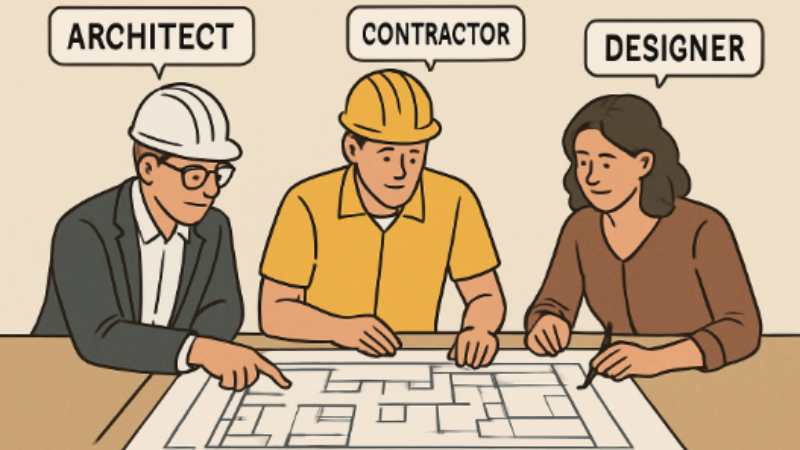
The quality of your team can make or break your renovation. Collaborate with licensed professionals who understand the unique challenges of commercial projects—these may include architects, interior designers, engineers, and specialty contractors. Their experience will help you translate your goals into achievable plans, streamline the permit process, and execute every detail to the highest standards. Checking credentials and references is a vital part of selecting the right partners for your project.
Understand Zoning Laws and Obtain Necessary Permits
Local ordinances and building codes have a significant impact on what you can or cannot do with your property. Before construction begins, become familiar with your jurisdiction’s commercial zoning requirements and permitting processes. Working with experts can expedite approvals and help you avoid costly legal or regulatory complications. Failing to consider these factors can result in legal delays, forced demolition, or closures that disrupt your business operations.
Plan for Business Continuity
Remodeling your space will inevitably disrupt normal operations, but proactive planning can minimize the impact. Develop a temporary operational strategy that considers options such as phased construction, flexible schedules, or relocating critical business functions off-site during major work. Communicating these plans to your staff and customers keeps everyone informed and engaged throughout the process.
Prioritize Energy Efficiency and Sustainability
Modern commercial remodels increasingly focus on sustainable practices and efficient building systems. Opt for upgrades such as LED lighting, low-VOC materials, energy management systems, and high-performance insulation where feasible. Choosing eco-friendly solutions not only reduces long-term operational costs but may also make your building more attractive to customers and tenants.
Establish a Clear Timeline
A detailed schedule sets expectations and keeps your project on track. Define each phase of your remodel, from demolition and construction to inspections and final punch lists. Built-in milestones help measure progress and can expose potential delays before they escalate. Schedule regular meetings with your team to address challenges and adjust the timeline as needed to ensure a smooth workflow.
Communicate with Stakeholders
Frequent, transparent communication reduces anxiety and helps maintain positive relationships during a remodel. Keep employees, clients, and neighboring businesses informed about construction schedules, access changes, and progress updates. Honest dialogue facilitates teamwork and ensures that everyone is prepared for and invested in the transformation.
Prepare for Post-Remodel Maintenance
A commercial remodel is an investment that must be protected. Develop an ongoing maintenance plan covering cleaning, equipment servicing, and periodic inspections. Proper care of new systems and finishes extends their lifespan and ensures continued compliance with safety standards. Setting clear maintenance schedules also helps control future costs and maximizes the return on your remodeling investment.
Following these essential steps can help you achieve a seamless commercial remodeling experience, transforming your workspace into a valuable business asset while safeguarding your operational goals and budget.
Final Thoughts
A successful commercial remodel requires careful planning, informed decision-making, and collaboration with experienced professionals. By defining clear objectives, thoroughly assessing your property, establishing a realistic budget, and assembling a qualified team, you set the stage for a project that meets both functional and aesthetic goals. Staying mindful of zoning laws, permits, and business continuity ensures minimal disruption to daily operations, while prioritizing energy efficiency and sustainability maximizes long-term value. Clear timelines, proactive stakeholder communication, and post-remodel maintenance plans further safeguard your investment, helping your remodeled space deliver lasting benefits. With these strategies in place, a commercial remodel becomes not just a construction project but a transformative opportunity to elevate your business environment, boost efficiency, and strengthen your brand image.