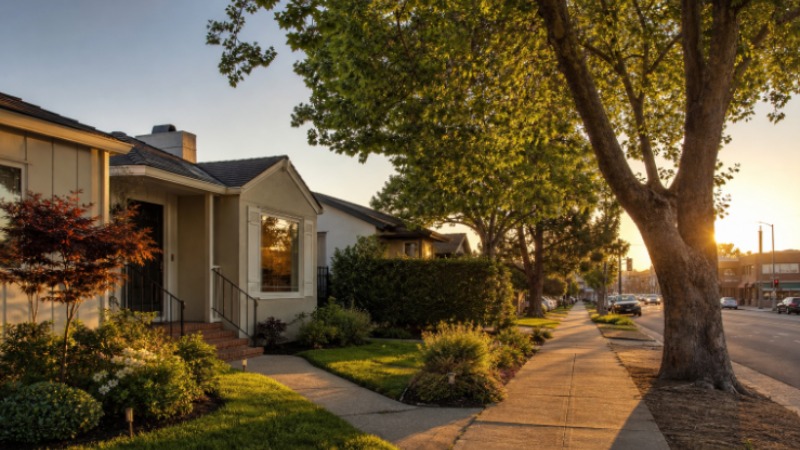
A home purchase is also a location decision. The interior may be renovated, expanded, or personalized over time, but the neighborhood will shape commutes, errands, recreation, noise levels, and the way daily life feels for years to come.
For buyers comparing communities across the Peninsula, San Mateo CA real estate agents Sternsmith Group offers a useful local point of reference. Sternsmith Group is a San Francisco Peninsula real estate team with buyer and seller resources, home searches, property information, and neighborhood guides. Its experience serving San Mateo, Burlingame, Hillsborough, Belmont, San Carlos, and nearby Mid-Peninsula communities makes the team familiar with the meaningful differences in local housing types, pricing, streetscapes, and lifestyle options.
Why Neighborhood Choice Matters More Than A Great Listing
A beautifully updated home can still be a poor match if getting to work is exhausting, grocery runs require a long drive, or the street is much louder than expected. Two homes with similar prices may deliver very different lives. One may offer more square footage, but add an hour of travel every weekday. Another may be smaller, yet place work, schools, parks, and services closer to home.
The goal is not to find a universally “best” neighborhood. It is to find the one that best matches the household’s priorities now, while leaving room for likely changes over the next five to ten years.
Start With Daily Routines
Before touring homes, write down what an ordinary weekday actually requires. This step turns a vague wish list into useful neighborhood criteria.
- Map where household members work, attend school, or need regular appointments.
- Consider time spent driving, walking, biking, or using transit.
- List essential nearby services, such as child care, grocery stores, medical offices, parks, gyms, and libraries.
- Decide whether a quiet residential setting, a lively downtown environment, or a middle ground feels most comfortable.
- Ask whether the area would still work after a job change, remote-work shift, new child, or retirement.
Compare The Full Cost Of Living
The listing price is only one part of affordability. A lower-priced property can be more expensive month-to-month if it comes with a longer commute, major deferred maintenance, higher insurance premiums, or recurring transportation costs.
Costs To Review
- Mortgage payment, interest rate, property taxes, and insurance.
- Homeowners association dues for condos, townhomes, or planned communities.
- Fuel, tolls, parking, vehicle maintenance, and transit expenses.
- Routine repairs, utilities, landscaping, drainage, tree care, or hillside upkeep.
- Child care, private school, activities, or services that may be affected by location.
Create a simple monthly estimate for each neighborhood under consideration. Comparing the totals side by side can reveal trade-offs that a purchase price alone does not show.
Check Commute And Transit Access
The distance shown on a map often doesn’t match the actual commute experience. Test your routes during morning and evening rush hours, and then try them on a weekend. Observe school drop-off traffic, bottlenecks, alternative routes, and how simple it is to get back home after a busy day. Also, review station parking, walking distances, transfer options, and whether the schedule aligns with real work or school hours.
Research Schools By Exact Address
School information should be verified at the address level, not assumed from a city name, a nearby campus, or an online rating. Homes only a few blocks apart can fall within different attendance boundaries.
- Confirm assigned elementary, middle, and high schools.
- Review district calendars, enrollment requirements, and transfer policies.
- Assess walking routes, crossing points, and transportation options.
- Ask appropriate local sources about planned boundary or enrollment changes.
Look Beyond The Block
Evaluate the surroundings as carefully as the house. Walk to daily destinations when possible, and pay attention to sidewalk condition, street lighting, crosswalks, hills, narrow streets, parking pressure, and access during busy periods. Listen for traffic, rail activity, aircraft, nearby businesses, schools, or construction that may affect comfort.
Compare Housing Types And Street Patterns
The physical form of a neighborhood affects both lifestyle and maintenance expectations. Detached homes, attached homes, condos, and multifamily properties can offer very different levels of privacy, outdoor space, storage, and responsibility.
- Are lots flat, sloped, narrow, deep, or unusually large?
- Do homes have usable garages, driveways, storage, and outdoor areas?
- Will an older property likely need work on the roof, plumbing, electrical, foundation, or drainage?
- Is nearby new construction adding convenience, traffic, or future competition for similar homes?
Study Resale Appeal Without Chasing Trends
Future value matters, but buyers do not need to chase every popular neighborhood or design trend. Focus on lasting strengths: functional layouts, convenient access to employment and services, well-kept streets, transportation options, and a home that can appeal to multiple types of future buyers. Review comparable sales for similar homes rather than relying only on broad citywide averages.
Use A Simple Neighborhood Scorecard
Score each neighborhood from one to five, then weigh the categories according to their importance:
- Budget, 25%: Can the household comfortably handle the full monthly cost?
- Commute, 20%: Does daily travel fit the household’s schedule and energy level?
- Schools and services, 20%: Are needed resources convenient and practical?
- Home condition, 15%: Is near-term repair risk manageable?
- Lifestyle, 10%: Does the pace, noise level, and setting feel right?
- Resale flexibility, 10%: Could the property appeal to a broad future buyer pool?
Visit Before Making A Decision
- Morning: Check traffic, school activity, transit flow, and noise.
- Afternoon: Observe sunlight, parking, pedestrians, and local activity.
- Evening: Assess lighting, street noise, and the experience of arriving home.
Conclusion
The best neighborhood is the one that makes ordinary life easier while supporting future plans. A thoughtful comparison of costs, commute time, schools, services, housing conditions, street patterns, and resale flexibility can help buyers make a more confident decision in 2026.