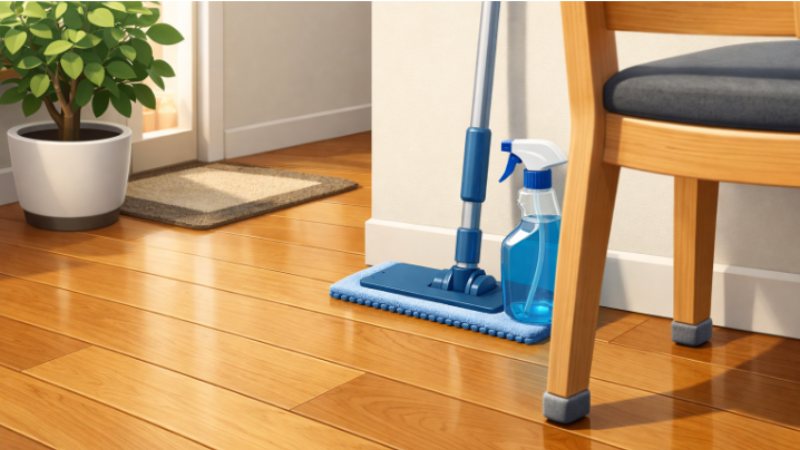
Hardwood floors bring warmth, elegance, and enduring value to any space. With their natural beauty, they often become a central feature in your home’s décor. However, keeping these floors in pristine condition requires more than just admiration; dedicated maintenance and conscious living habits are essential. Homeowners looking to maintain their flooring’s beauty often consider hardwood floors refinishing as a way to restore or extend the life of their wood surfaces. By integrating the right strategies, you can prevent premature wear and ensure your hardwood investment lasts for generations.
Hardwood flooring, though durable, can suffer from scratches, fading, and warping without proper care. A proactive approach helps reduce costly repairs and maintains its look. Daily traffic means hazards are inevitable, but quick action can extend the lifespan of your floors. Using modern cleaning, managing humidity, and choosing the right products all support the beauty and durability of wood surfaces. Your daily decisions, such as footwear and cleaning habits, influence how your floors age. Knowing these factors equips you to protect your investment. Whether new or old, regular care preserves your floors’ value and enhances your home.
Regular Cleaning Practices
Debris such as dust, dirt, and sand can grind into wood finishes over time, creating invisible scratches that accumulate and dull the floor’s shine. To keep your hardwood floors looking their best and to prevent this gradual damage, sweeping or dusting with a microfiber mop every day is crucial. This regular attention removes abrasive particles before they can cause long-term harm.
- Daily Dusting: Dust and sweep using soft brushes or microfiber pads to prevent fine scratches.
- Weekly Vacuuming: Use a vacuum designed for hardwood floors, ideally one without a beater bar, to clean in-between boards and under furniture where dust tends to collect.
Regular cleaning isn’t just about looks; it’s one of the most effective measures to ensure years of flawless beauty for your floors.
Maintaining Optimal Humidity Levels
Because hardwood is a natural material, it can swell and shrink with changes in ambient humidity. Consistent shifts can cause floorboards to cup, gap, or even crack. Keeping indoor humidity stable, generally between 30% and 50%, is vital for minimizing this movement. Use a humidifier during winter when the air is dry and a dehumidifier or air conditioner in humid months to keep moisture in check.
Monitoring and controlling humidity helps maintain the structural integrity of your hardwood flooring, preventing unsightly and damaging changes in the floorboards.
Implementing Protective Measures
Many sources of hardwood floor damage can be prevented by acting before problems occur. Area rugs and entryway mats reduce the amount of dirt tracked onto floors, while felt pads on furniture legs prevent scratches during everyday use. Don’t forget about pets; trimmed nails protect against gouges in the wood’s surface.
- Area Rugs and Mats: Use them at entrances and high-traffic zones to trap debris and moisture.
- Furniture Pads: Install these under all table and chair legs to avoid direct contact between the wood and hard surfaces.
- Pet Maintenance: Regularly trim pets’ nails and clean their paws to minimize the risk of scratches and stains.
Taking simple steps today will prevent expensive and time-consuming repairs tomorrow.
Using Appropriate Cleaning Products
Choosing the wrong cleaning solutions can permanently dull or even degrade the finish on your hardwood floors. Harsh chemicals such as ammonia, bleach, or vinegar can strip away protective coatings, while steam mops introduce excessive moisture. To avoid these pitfalls, stick with products recommended by your floor’s manufacturer or professional-grade hardwood cleaners.
- Use pH-neutral cleaners designed specifically for wood floors.
- Dry the floor promptly after mopping; never allow liquid to sit for extended periods.
- If your floors are waxed, periodically reapply wax and buff to restore shine and protection.
Opting for the right cleaning products preserves the aesthetics and functionality of your hardwood for many years.
Managing Sunlight Exposure
Daily exposure to direct sunlight can gradually bleach the rich tones of hardwood, leading to discoloration and uneven fading. UV-resistant window treatments, such as curtains, blinds, or window films, minimize this process and help keep your floor’s color more consistent over the years. Occasionally, rearrange furniture and rugs to avoid noticing patchy fading in high-exposure areas.
- Use solar shades or tinting film on south- and west-facing windows.
- Move decorative items periodically for even exposure and a more uniform floor appearance.
With proper management, you can enjoy the original wood color and luster over the long term.
Seasonal Maintenance Tips
Changing seasons inevitably bring shifts in indoor climate that impact wood flooring. During colder months when indoor heating dries the air, running a humidifier prevents unwanted shrinkage and gaps. Conversely, warm, humid summertime conditions call for a dehumidifier or an air conditioner to keep floors stable and prevent swelling.
- Winter: Regularly check humidity, especially in rooms with fireplaces or strong heat sources.
- Summer: Reduce excess humidity with airflow and dehumidification, as needed.
Seasonal vigilance is the secret to avoiding troubles that may not be immediately visible but could become costly over time.
Avoiding Common Mistakes
Improper care can shorten your flooring’s lifespan and result in avoidable repairs. Some habits to avoid include:
- Wet mopping or allowing spills to linger results in water damage or stains.
- Walking across floors in high heels, cleats, or heavy boots can cause dents or splits.
- Forgetting to clean up pet messes or heavy dirt from external sources.
Staying mindful of everyday activities helps you maintain the natural beauty of your hardwood floors for decades.
Conclusion
Maintaining hardwood floors requires proactive cleaning practices, environmental control, protective measures, and the use of appropriate products. By understanding and applying the principles outlined in this guide, you can ensure that your floors remain a statement of beauty and value for your home. Consistency in care is the simple yet powerful secret to protecting your investment and enjoying your hardwood flooring for generations to come.