In the rapidly evolving real estate landscape, smart home technology has transitioned from a luxury to a standard expectation among buyers. Integrating intelligent systems into properties not only enhances convenience and security but also significantly influences property values and marketability. For those navigating this dynamic market, consulting with an experienced professional like San Diego realtor Karen Van Ness can provide invaluable insights. With over 38 years of experience in real estate, including expertise in raw land development, new home design, and remodeling, Karen offers a comprehensive understanding of how smart home features impact property appeal and value.
Rising Demand for Smart Home Features
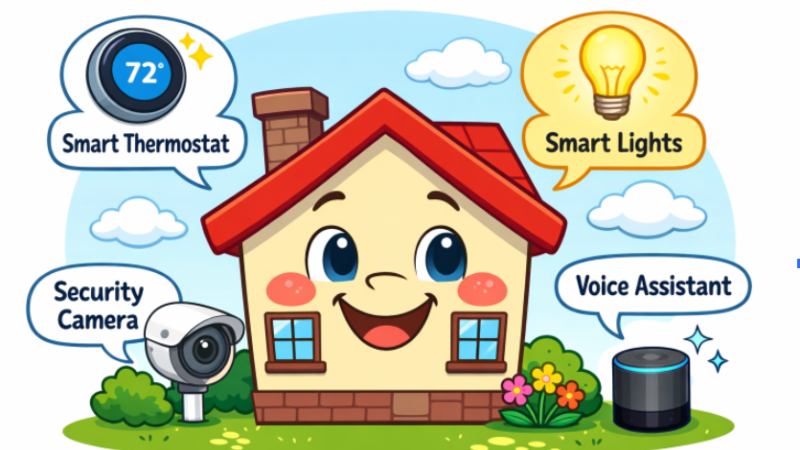
Today’s homebuyers prioritize properties equipped with smart technologies that offer enhanced convenience, security, and energy efficiency. Features such as smart thermostats, lighting systems, and security cameras have become standard expectations. This shift reflects a broader trend where technology integration is synonymous with modern living.
Modern buyers are increasingly conducting online research before making a purchase, and many are filtering their home searches for listings that mention smart features. The prevalence of smart home devices has also risen as technology becomes more affordable and accessible, allowing both new construction and existing homes to benefit from upgrades. Furthermore, the buyer demographic, especially Millennials and younger Gen Xers, is particularly interested in homes that support their digital lifestyles and let them customize their environment with a few taps on their smartphone.
Impact on Property Values
Properties equipped with smart home features often command higher market values and attract more interest from potential buyers. According to a report by the National Association of Realtors, homes with integrated smart systems can sell for up to 5% more than comparable properties without such features. This premium is attributed to the added convenience, security, and energy savings that smart technologies provide.
Notably, certain smart features can dramatically influence perceptions of value. A well-integrated automation system that controls lighting, heating, and security from a unified platform is particularly attractive. Some studies indicate that, in competitive urban markets, the presence of smart home upgrades can serve as a deciding factor when buyers are weighing two similarly priced homes. It also signals to buyers that the home has been well-maintained and thoughtfully updated, reducing their anticipated post-purchase investments.
Energy Efficiency and Sustainability
Smart home technologies contribute significantly to energy efficiency and sustainability. Devices like smart thermostats and automated lighting systems allow homeowners to monitor and control energy usage, leading to reduced utility bills and a smaller carbon footprint. This appeal is particularly strong among environmentally conscious buyers who prioritize sustainable living.
Many municipalities and local governments now offer incentives for energy-efficient upgrades, such as rebates or tax credits, which can further boost a property’s return on investment. The implementation of smart irrigation systems, solar integration, or intelligent power management can be decisive for buyers who are looking to future-proof their investment and reduce long-term costs. As climate change and energy prices remain top-of-mind concerns, sustainable smart home features are likely to increase in prominence.
Enhanced Security Measures
Security is a paramount concern for homeowners, and smart home technologies offer advanced solutions. Smart locks, video doorbells, and surveillance systems provide real-time monitoring and control, enhancing the safety of residents. These features not only offer peace of mind but also add tangible value to properties.
With the proliferation of connected devices, many homeowners are drawn to the flexibility of being able to manage their home’s security remotely—from checking the status of doors and windows to monitoring live video feeds via their mobile devices. Furthermore, the integration of emergency response systems and automation in the event of fire or intrusion can help reduce insurance premiums and further incentivize adoption of these technologies for both safety and financial reasons.
Automation and Convenience
The convenience offered by home automation systems is a significant draw for buyers. Voice-activated assistants, automated climate control, and smart appliances streamline daily tasks, creating a more comfortable and efficient living environment. This level of automation aligns with the modern lifestyle, where convenience and time-saving are highly valued.
As voice interfaces and artificial intelligence improve, homes are expected to become even more responsive to individual preferences and routines. Automation isn’t just a luxury; it can be a necessity for busy professionals, growing families, and people with mobility challenges. Programmable lighting schemes, smart window shades, and synchronized entertainment systems demonstrate the potential of complete home automation, elevating the everyday living experience.
Real Estate Marketing Strategies
For real estate professionals, highlighting smart home features in property listings can be a game-changer. Emphasizing these technologies in marketing materials attracts tech-savvy buyers and sets properties apart in a competitive market. Demonstrating the functionality and benefits of smart systems during showings can further enhance buyer interest.
Many top agents now use virtual home tours, interactive 3D walkthroughs, and even live demonstrations of integrated smart features to engage prospective buyers. The use of digital marketing platforms, social media spotlights, and search engine visibility around smart home keywords can dramatically increase exposure. Additionally, agents who are knowledgeable about integration and setup processes can offer added value, guiding buyers through the transfer of smart systems upon purchase.
Future Trends in Smart Home Integration
The integration of smart home technology is expected to deepen, with advancements in artificial intelligence and the Internet of Things (IoT) leading to more sophisticated and interconnected systems. Future trends may include greater emphasis on health-focused technologies, such as air quality monitors and advanced water filtration systems, further influencing buyer preferences and property values.
Looking ahead, interoperability between various devices and platforms will become a key focus, aiming to create seamless ecosystems that adapt to user preferences, weather patterns, and even anticipate occupant needs using predictive analytics. Augmented reality interfaces, integrated home wellness systems, and eco-friendly smart appliances are among the innovations poised to make waves in the next decade of home design and property marketing.
Conclusion
Smart home features have become a pivotal factor in the real estate market, influencing buyer decisions and property valuations. As technology continues to advance, the integration of intelligent systems in homes will likely become even more prevalent, underscoring the importance for real estate professionals to stay abreast of these developments to meet the evolving demands of the market.
For both buyers and sellers, understanding the value and implications of smart home technology can make a substantial difference in real estate transactions. Properties with the right combination of advanced features and ease of use are more likely to stand out and achieve favorable outcomes, both in terms of timing and sale price. As digital and physical living spaces merge, the future of real estate will be increasingly shaped by innovation, connectivity, and the continuing demand for smarter living environments.