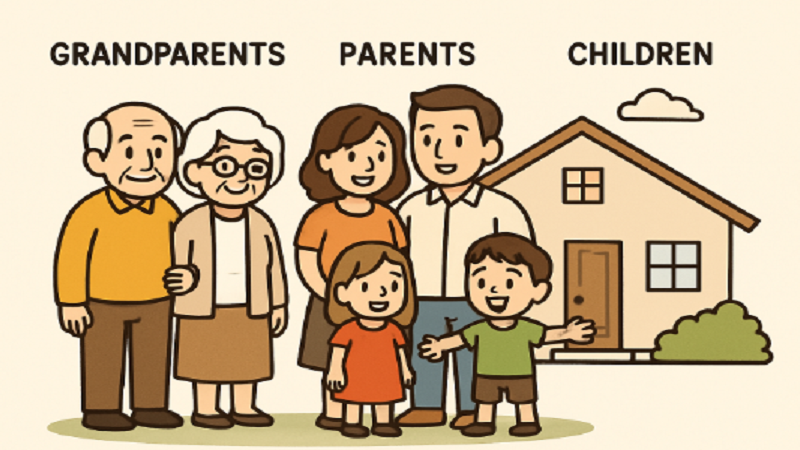
American families are reimagining the way they live together. Multigenerational living—where grandparents, parents, and children share the same household—is rapidly gaining popularity. Economic pressures, evolving cultural values, and shifting needs among both aging parents and emerging adults have driven this resurgence. For those exploring new living arrangements or home-buying options, consulting Gaithersburg, MD, real estate experts Hometown Collection can help families identify homes ideally suited for multigenerational lifestyles.
This living trend not only meets practical needs such as financial savings and caregiving but also deepens social and familial connections across generations. As more U.S. households embrace this model, they’re discovering powerful benefits that extend from cost-effectiveness to stronger family ties. Understanding how multigenerational living works—and its growing impact on the real estate market—can empower families to make informed housing choices.
Current Trends in Multigenerational Living
The rise of multigenerational households is substantial and ongoing. According to the National Association of Realtors, 2025 Home Buyers and Sellers Generational Trends report, 17% of all home buyers purchased a multigenerational home between July 2023 and June 2024, up from just 14% in the prior year. Generation X leads this movement, with over one in five opting for homes that accommodate multiple generations under one roof. The most common reasons include increased affordability, the need to care for aging loved ones, and the return of adult children after college or job loss. These trends underscore a clear shift toward family-centric solutions in today’s housing market.
The steady increase in multigenerational living also reflects deeper cultural and demographic forces. As the population ages and economic challenges persist for younger generations, families are turning to shared households as a practical and emotionally supportive alternative.
Secondary Motivations and Data Insights
Beyond affordability and caregiving, other factors are accelerating this trend. Some families seek multigenerational households for companionship, safety in numbers, or the opportunity to maintain strong cultural traditions. Multigenerational households have more than doubled in the past fifty years, now encompassing 18% of the U.S. population.
Economic Benefits
Families considering a multigenerational living setup quickly recognize the significant financial advantages. Pooling resources allows for purchasing larger, more functional homes—costs for mortgages, utilities, groceries, and maintenance can be divided among more earners. This not only eases the burden on any single individual but also increases savings and economic resilience for all family members. For many, the ability to weather economic ups and downs together is one of the most compelling advantages of this arrangement.
Caregiving and Support Systems
A hallmark of multigenerational homes is the built-in network of support. Elderly family members often receive care from adult children, thereby reducing or eliminating the need for professional or institutional care. Likewise, grandparents provide vital childcare support, freeing up parents to balance work and family responsibilities. This mutual support strengthens family bonds and ensures vulnerable members can age in place with dignity and comfort. For children, growing up with grandparents or extended family present can also offer enhanced stability and emotional security.
Cultural and Social Dynamics
Cultural values remain a central force in multigenerational living. In many communities around the world, collective living is the norm and represents respect for elders and deep-rooted family ties. In the United States, the increasing diversity of the population has propelled this lifestyle into the mainstream, drawing from traditions of various ethnic and cultural backgrounds. Families from Latino, Asian, and African American communities are particularly likely to embrace multigenerational households, but the appeal is broadening across all demographic groups. This shift supports both cultural continuity and the celebration of important rituals together.
Design and Real Estate Implications
The wave of interest in multigenerational living is reshaping home design and the real estate market. Builders and developers now prioritize flexibility and privacy within shared spaces, offering floor plans with separate entrances, multiple suites, and in-law units. These features enable each generation to maintain personal space while enjoying proximity to loved ones. For families weighing their options, it’s important to carefully evaluate the flexibility of floor plans and the architectural adaptability of available homes. Industry experts predict that as multigenerational living continues to rise, homes built for these arrangements will only become more sought after and valuable.
Challenges and Considerations
Despite its numerous advantages, multigenerational living also brings unique challenges. Maintaining privacy can be difficult, particularly in traditional floor plans, and household dynamics may spark disagreements over daily routines, noise, and boundaries. Open communication is essential—establishing clear expectations and family agreements can help prevent conflict and foster a harmonious environment. It may also be helpful to periodically reassess the arrangement, ensuring it continues to meet everyone’s needs as circumstances evolve.
Conclusion
The resurgence of multigenerational living is a testament to both the adaptability of American families and the enduring value of strong family connections. By understanding the trends, benefits, and challenges of shared living, families can make financially prudent, socially enriching, and culturally meaningful decisions. As real estate markets adapt to this changing landscape, multigenerational homes stand out as a practical and heartfelt solution for families navigating the realities of modern life.