Key Takeaways
- Boat covers are essential for protecting watercraft from UV damage, moisture, debris, and the costly long-term wear that can result from these elements.
- Traditional manual covers work but can be difficult to handle, leading many owners to use them inconsistently.
- New materials offer better durability, weather resistance, and eco-friendly options.
- Automated boat covers offer effortless and reliable protection with button-activated or app-controlled operation.
- Smart technology features—such as sensors and mobile alerts—enhance convenience and ensure timely coverage.
- Customizable designs allow boaters to tailor covers to their vessel’s exact dimensions and personal style.
Introduction
Protecting a boat from sun, rain, dirt, and environmental wear is essential for preserving both its value and functionality. While time-tested manual covers have provided basic shelter for years, the marine industry is now shifting towards more sophisticated, convenient options. New technologies are redefining protection for watercraft, making it simpler and more efficient than ever to shield your investment. For those seeking cutting-edge solutions, automatic pontoon covers represent the forefront of innovation in this space, combining ease of use with robust protection.
Boat ownership should be about enjoying time on the water, not spending hours in maintenance or wrestling with stubborn canvas and snaps. Innovations in boat cover systems are streamlining this process and making it easier for both seasoned and novice boat owners alike.
The Importance of Boat Covers
Boat covers serve as the first line of defense against environmental hazards. Exposure to harsh UV rays, heavy rains, bird droppings, tree sap, and wind-blown debris can cause fading, damage to upholstery, mold growth, and deterioration of sensitive electronics. Effective boat covers can significantly extend the life of a vessel’s interior and reduce the frequency and cost of repairs, crucially lowering the total cost of boat ownership over time.
In addition to protecting the interior, a high-quality cover reduces the risk of structural degradation from moisture intrusion and pest infestation—problems that can be especially challenging and costly for neglected boats. According to the National Marine Manufacturers Association, consistent use of proper covers is among the top recommendations for preserving boat value.
Traditional Manual Boat Covers
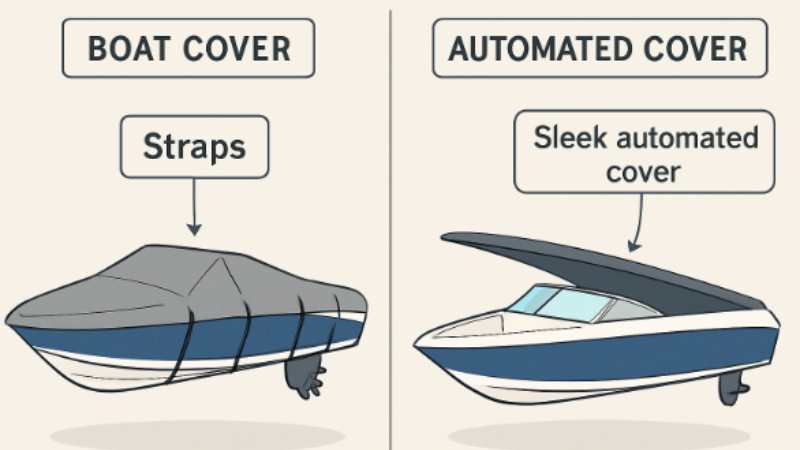
For decades, manual boat covers have protected watercraft from the elements. To use these covers, owners must position, stretch, and secure the fabric with snaps, drawstrings, or tie-down straps. While effective in principle, covering a boat in this manner can be physically demanding, especially on larger boats or in adverse weather conditions. The repetitiveness and effort sometimes lead to inconsistent use, exposing craft to unnecessary risks during periods when covers are left off for convenience.
Moreover, large or ill-fitting covers can become damaged or wear prematurely if not installed and removed with care. This traditional solution, while trusted, often lacks the functional updates and comfort that today’s boaters seek.
Advancements in Boat Cover Materials
Material innovation has been a key area of progress for boat covers. Modern fabrics, such as marine-grade acrylics, UV-resistant coated polyesters, and advanced synthetics, offer vastly superior durability compared to the canvas and vinyl of the past. These modern materials are engineered to repel water, resist mildew buildup, and withstand long-term sun exposure—with some able to reflect heat to protect sensitive marine surfaces beneath.
Many manufacturers have responded to environmental concerns by incorporating recycled or low-impact components into their products, offering boaters eco-friendly choices that balance sustainability and protection. These improvements have been championed in part by the growing eco-consciousness within boating communities.
The Emergence of Automated Boat Covers
Automated boat covers represent a significant leap forward in marine protection. Driven by electric or hydraulic mechanisms, these systems deploy or retract a custom-fitted cover with just the push of a button or the tap of a mobile screen. By eliminating the manual labor involved in installation and removal, automated covers encourage more frequent use and ensure that protection is consistently provided after each water trip.
The snug fit delivered by these systems minimizes gaps that could allow water or debris to enter, and the robust anchoring systems withstand harsh weather, providing more reliable coverage than many traditional options. This level of innovation not only saves time but also extends the lifespan of your vessel and its contents.
Technological Integration in Modern Covers
One of the most exciting facets of contemporary boat cover solutions is their integration with smart technology. Today’s leading models can connect to smartphone apps, allowing remote operation of covers from virtually anywhere. Some systems feature sensors that detect rain, wind, temperature increases, or even water pooling on the cover’s surface, sending real-time alerts to owners and triggering automatic deployment or tensioning.
This smart integration aids busy or absentee owners who may not always be present to address weather threats, further securing the vessel against unplanned environmental changes. It also enhances peace of mind, enabling owners to check the protection status and intervene remotely if necessary.
Customization and Personalization Trends
Personalization is increasingly driving the design of boat covers. Automated systems are tailored to suit specific boat makes, models, and even unique docking or storage configurations. Custom covers ensure a precise fit, maximizing defense against the elements and minimizing wear points that can lead to premature failure.
Additionally, boaters can select from a wide range of fabric types, colors, and optional features—including integrated LED lighting, branding, and even embossed boat names—giving each boat not only optimal protection, but also a look that reflects the owner’s style.
Final Thoughts
The transition from cumbersome manual covers to innovative automated solutions mirrors a broader movement in the marine world toward convenience, technology, and sustainability. Owners are empowered to protect their vessels more effectively, reducing the time and labor involved, and allowing them to focus on enjoying their boating lifestyle. Today’s advanced cover systems are more than just a practical accessory—they are an investment in long-term enjoyment, safety, and value on the water.